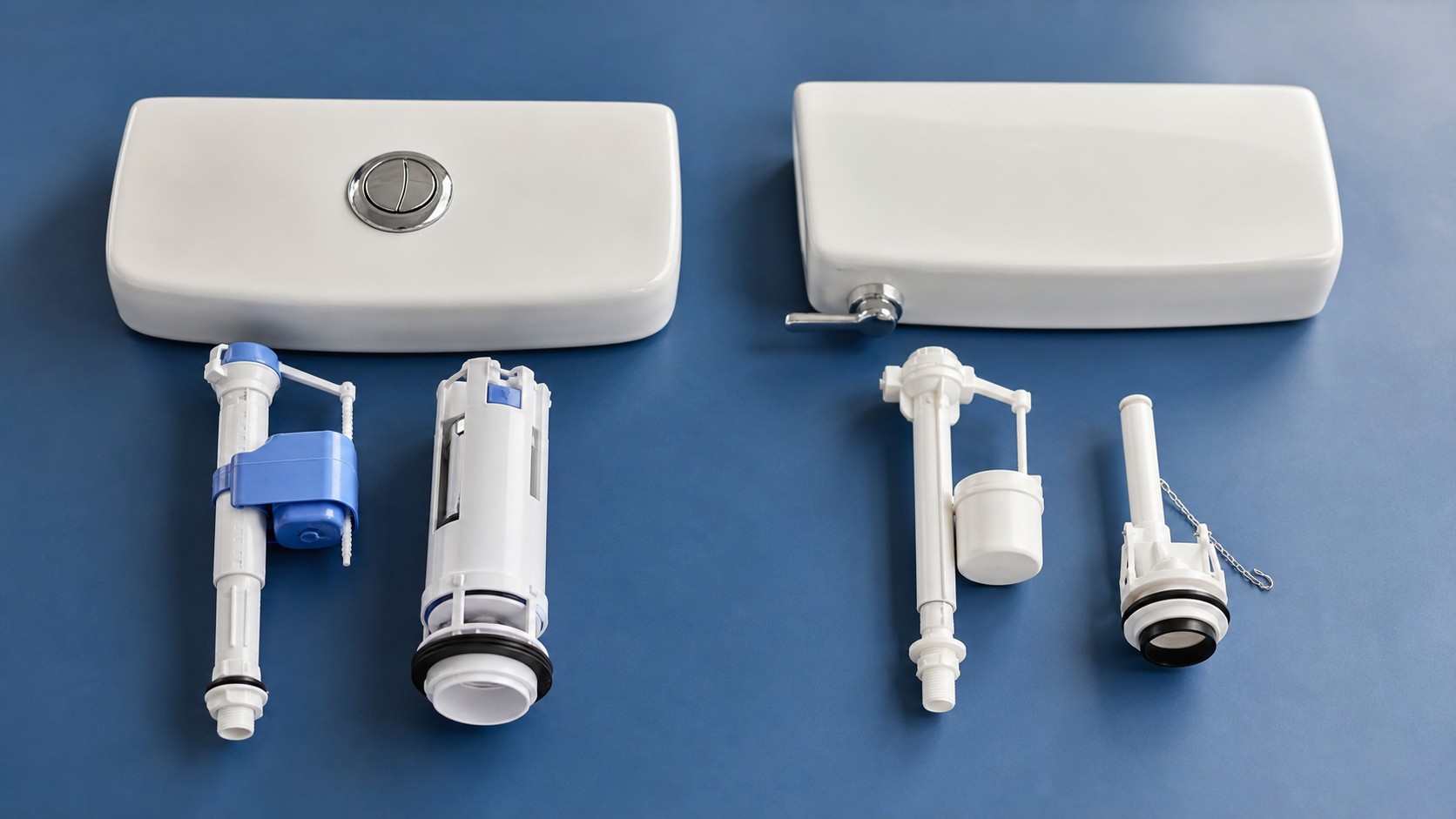
For importers, distributors and project buyers, the dual flush vs single flush toilet decision affects more than the button on top of the cistern. It changes how users operate the toilet, how flush volume is declared, which valves and spare parts must be stocked, and how the complete toilet is tested for its destination market. Neither system is automatically better. The correct choice is the one whose ceramic bowl, trapway, cistern, inlet valve and flush valve have been engineered and verified as one repeatable package.
Key takeaways
- Dual flush gives users two volumes: it can reduce water use when the reduced mode is selected correctly and the valve remains adjusted.
- Single flush simplifies operation and service: one setting can be easier to explain, test and maintain across large projects.
- Performance belongs to the complete toilet: the button count cannot predict bowl cleaning, waste extraction, drainline carry or leakage.
01 SYSTEM BASICS
How do dual-flush and single-flush toilets work?
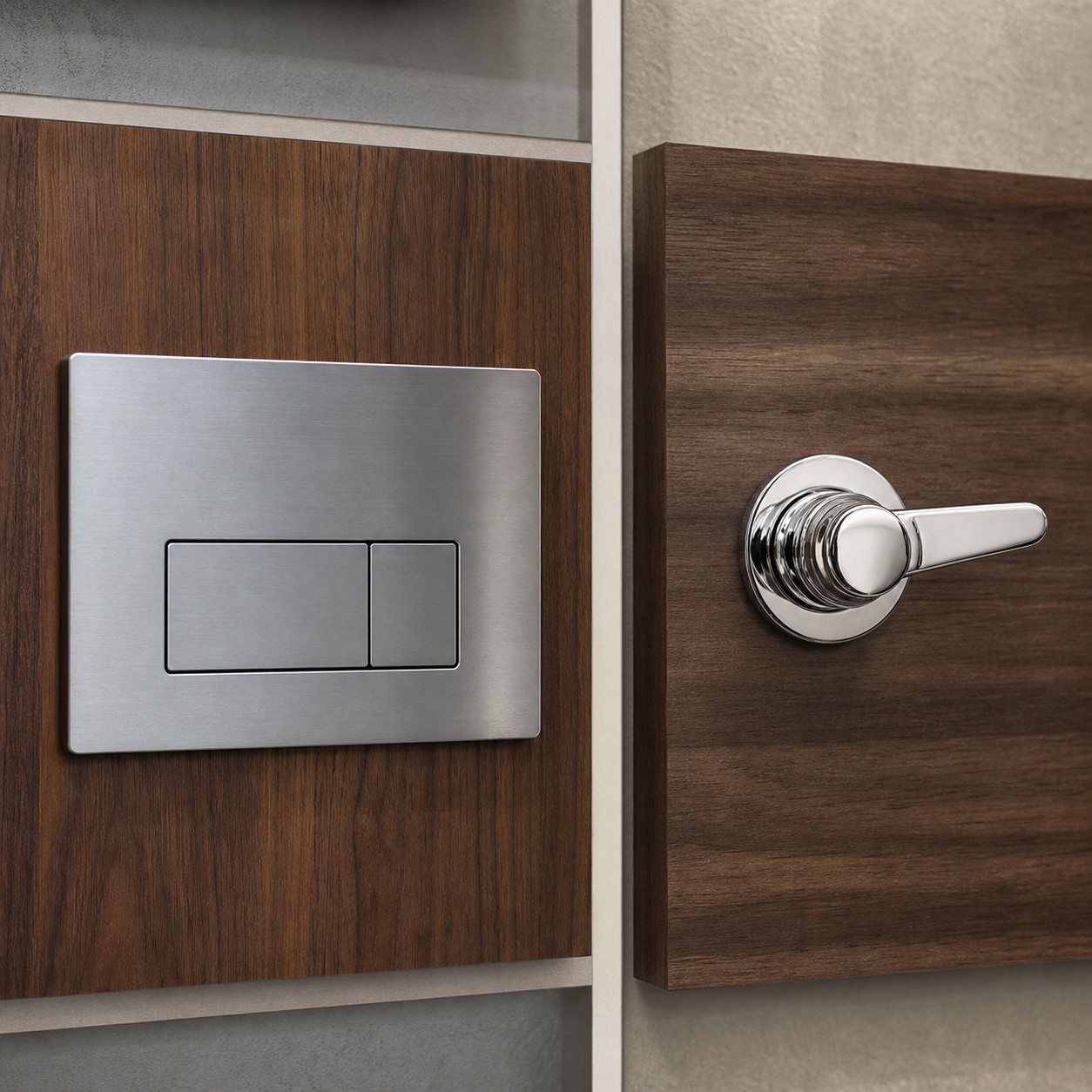
A single-flush toilet releases one specified volume each time it is operated. The actuator may be a top button, side lever, concealed-cistern plate or another approved control, but the user makes one flushing choice. This simplicity can suit high-turnover retail ranges, rental housing, schools and projects where maintenance teams want fewer operating variations.
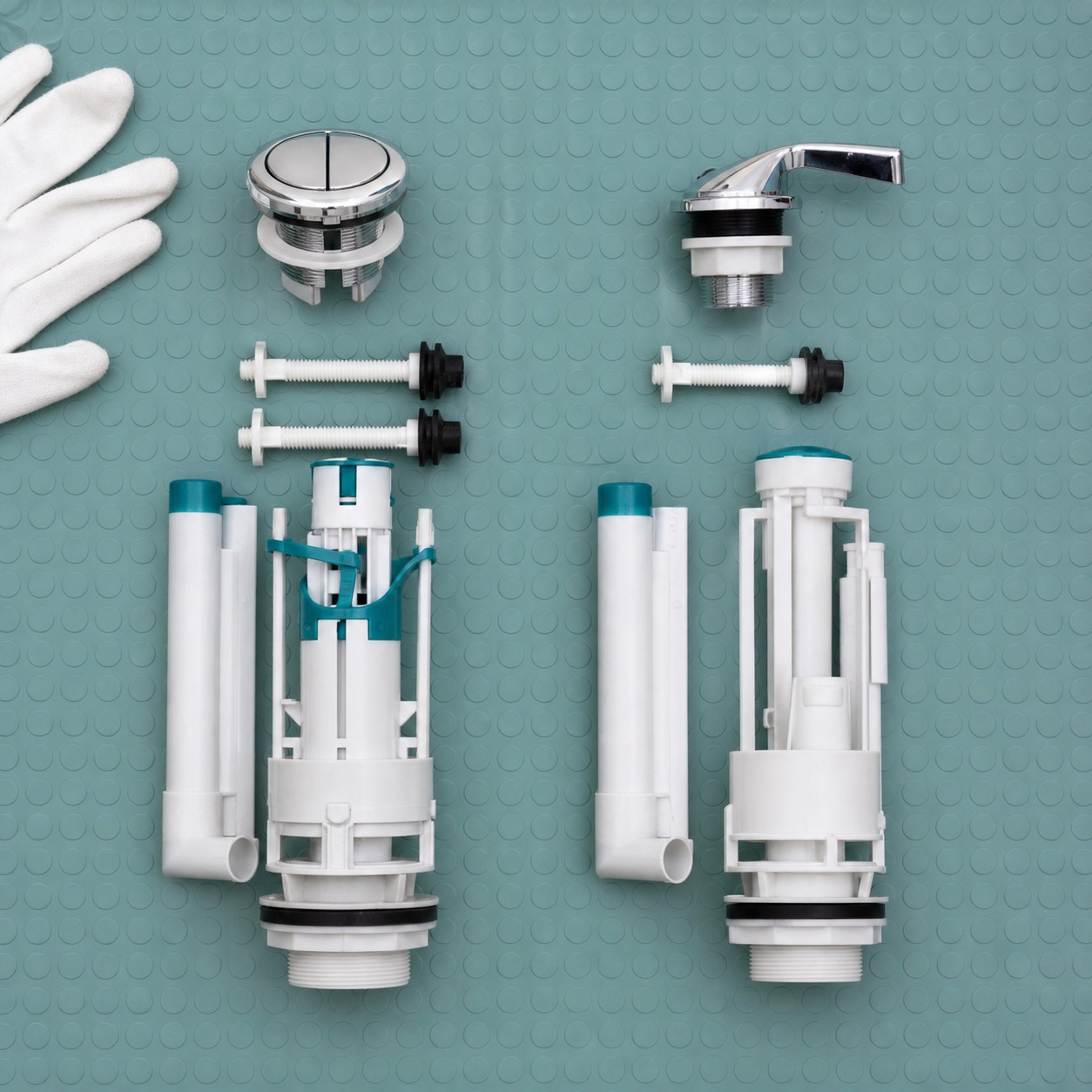
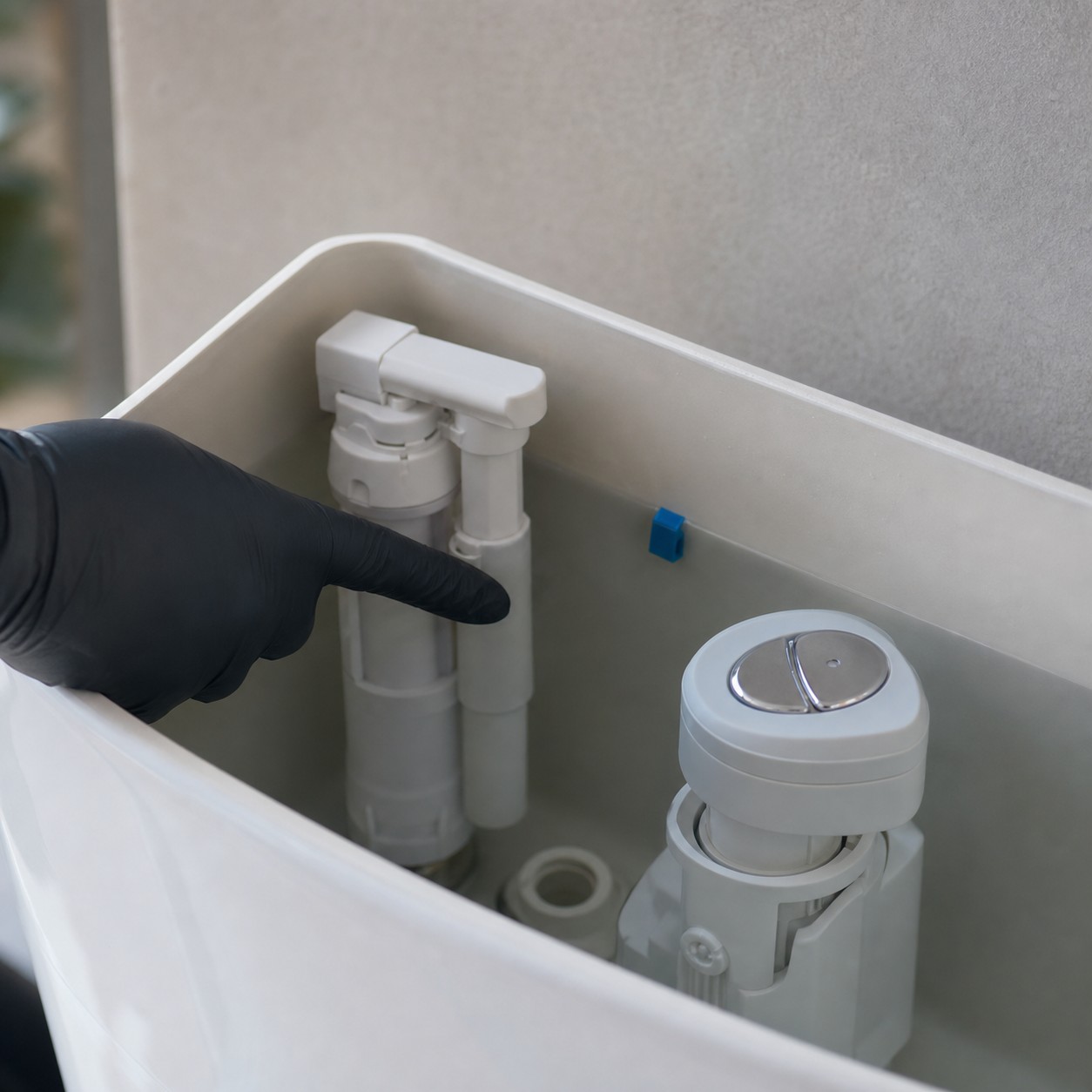
A dual-flush toilet provides a reduced flush for liquid waste and a full flush for solid waste. Common controls include two top buttons or a two-zone wall plate. The two modes are created by the flush valve and its settings; they are not produced by the ceramic alone. Button travel, cable or rod length, valve height, overflow position and cistern water line must all match.
Do not buy a dual-flush valve and assume it can turn any bowl into a reliable dual-flush toilet. A reduced volume must still wash the bowl and restore the water seal, while the full volume must support the required extraction and transport performance. The supplier should approve the complete combination under the applicable test standard.
02 BUYER COMPARISON
Dual flush vs single flush toilet: key differences
Commercial comparison for importers
| Buying factor | Dual flush | Single flush |
|---|---|---|
| User control | Reduced and full modes | One fixed mode |
| Water-saving potential | Higher when users select correctly | Depends on the single rated volume |
| Valve setup | More settings and actuator parts | Usually simpler |
| Training | Icons and operation must be clear | Minimal explanation |
| Spare parts | Exact dual-flush valve and button matter | Often easier to standardise |
| Best fit | Water-conscious residential, hotel and retail ranges | Simple-service projects and markets favouring one flush |
The comparison describes tendencies, not guarantees. A poorly adjusted dual-flush toilet may leak or be repeatedly flushed. A well-engineered low-volume single-flush model may use less water than an older dual-flush model in actual service. Ask for rated flush volume, tolerance, test method and complete-model certification rather than relying on the words “dual” or “single.”
03 WATER & MARKET RULES
How should importers compare flush volume across markets?
Start with the destination market, because the same numbers can be treated differently. In the United States, the federal maximum for most water closets is 1.6 gallons per flush. EPA WaterSense-labelled tank-type toilets meet additional efficiency and performance criteria. As of July 2026, WaterSense Version 1.2 remains in effect and uses an effective-flush-volume calculation for dual-flush tank models; EPA has paused the effective date of Version 2.0. Buyers should check the current EPA specification page before final certification.
Australia requires regulated toilets and cisterns offered for sale to be WELS registered and correctly labelled. For dual-flush lavatory equipment, displayed information includes full, half and average flush volumes; single-flush products show the single volume. WaterMark certification is also a precondition for WELS registration of these plumbing products. Confirm the registered model details in the official database, not only on a supplier-made label.
England's Approved Document G and the approved WC-suite performance specifications use their own requirements, including a maximum flush and a relationship between full and reduced modes for dual-flush suites. Other countries, states and municipalities may be stricter than a national baseline. Therefore, the quotation should name the exact destination, standard, certificate owner, model family and report revision. A generic “CE,” “WaterSense-ready” or “WELS design” statement is not evidence that the shipped SKU is registered or certified.
04 FLUSH PERFORMANCE
Does dual flush clean better than single flush?
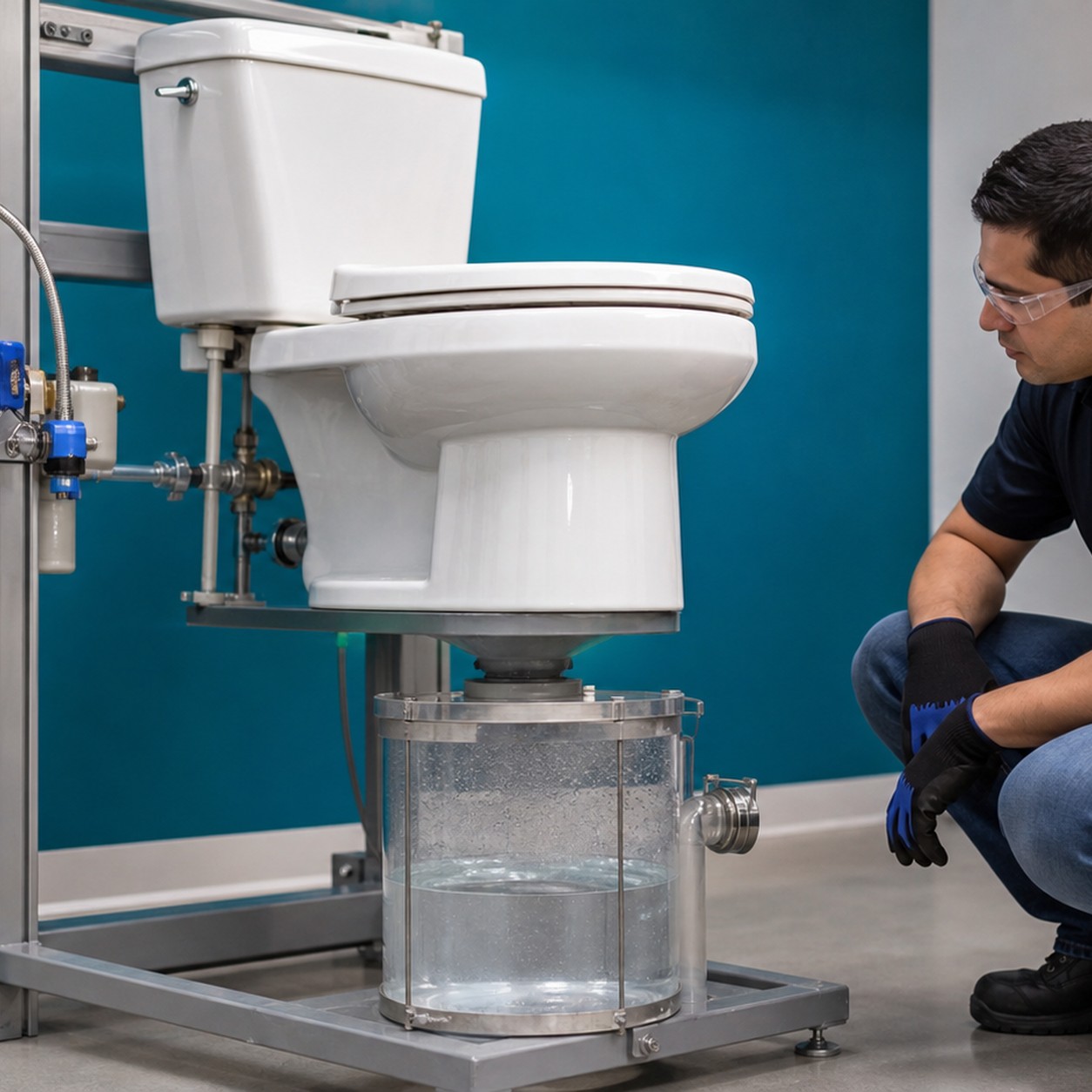
No flush type wins by name alone. Bowl cleaning depends on how water is distributed around the rim or channel. Waste extraction depends on bowl geometry, outlet, trapway, water level and the energy delivered during the flush. Drainline transport depends on the complete test arrangement and building drainage conditions. Our siphonic vs washdown toilet guide explains why the flushing pathway is a separate design choice.
For dual-flush models, test reduced and full modes independently. The reduced mode should not leave visible paper, weakly restore the water seal or encourage users to press the second button. The full mode should clear the specified media without uncontrolled splashing or excessive residual soil. For single-flush models, check that the rated low volume remains stable across permitted supply pressure and valve adjustment.
Request test reports for the exact bowl-and-cistern combination. A report for the same-looking bowl with another cistern, valve setting or outlet version may not represent the ordered model. During sample approval, record the water line, valve codes, button code, flush settings and measured volume. Video is useful for communication, but it does not replace an accredited report where certification is required.
05 RELIABILITY & SERVICE
Which flush system is easier to maintain?
Single flush usually has fewer user choices and may be easier to standardise, but reliability still depends on valve quality, seal material, water conditions and installation. Dual flush adds a second operating mode and often more adjustment points. That is manageable when the project receives the correct valve, clear settings and stocked spares.
Leakage can erase expected water savings. Inspect the flush-valve seal, valve seat, overflow height, inlet-valve shutoff and button return. Hard water, debris and aggressive cleaning products can shorten component life. The cistern lid should not press continuously on the actuator rods or cables, and the buttons should move freely after installation.
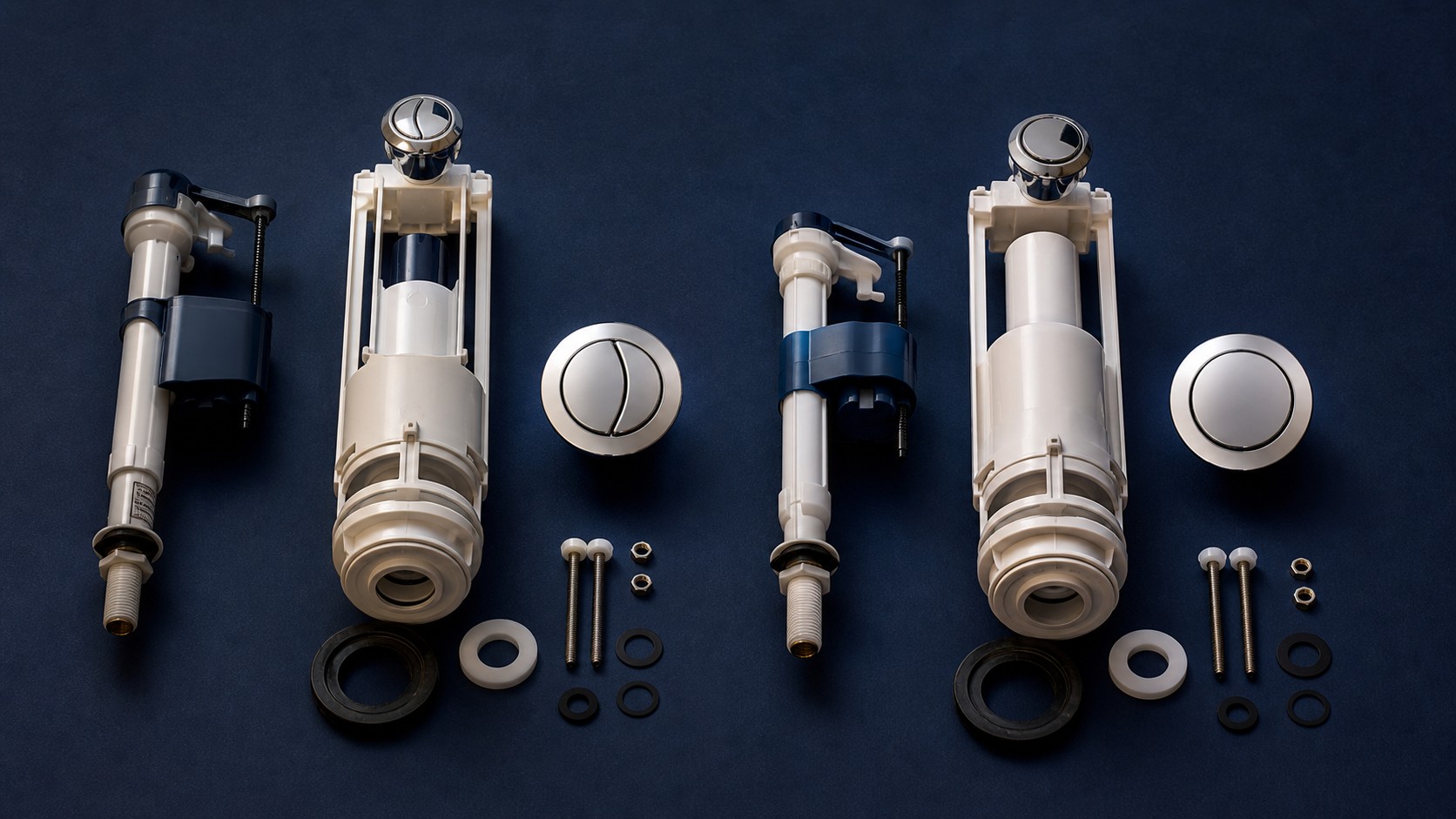
For hotels and apartments, create a service kit before shipment: complete flush valve, inlet valve, seals, button or plate, fixing hardware and a simple replacement sheet. Put the exact spare code in the product file and carton documentation. Avoid changing valve suppliers during repeat orders without re-approval; a visually similar component may have different flow, thread, height or actuation.
06 PROJECT FIT
Which system fits hotels, apartments and retail?
Dual flush is often attractive for water-conscious residential ranges, hotels with visible sustainability targets and markets where two-volume toilets are familiar. It can support a stronger efficiency story, but the control symbols must be clear to guests and the housekeeping or maintenance team must understand the valve settings.
Single flush can suit public or managed facilities that prioritise simple operation, fast troubleshooting and common spare parts. It can also be the correct retail option where local buyers prefer a lever or where an efficient certified single volume already meets the market need. Do not assume that a higher hotel position always requires dual flush; concealed cistern access, guest behaviour and local service capacity may matter more.
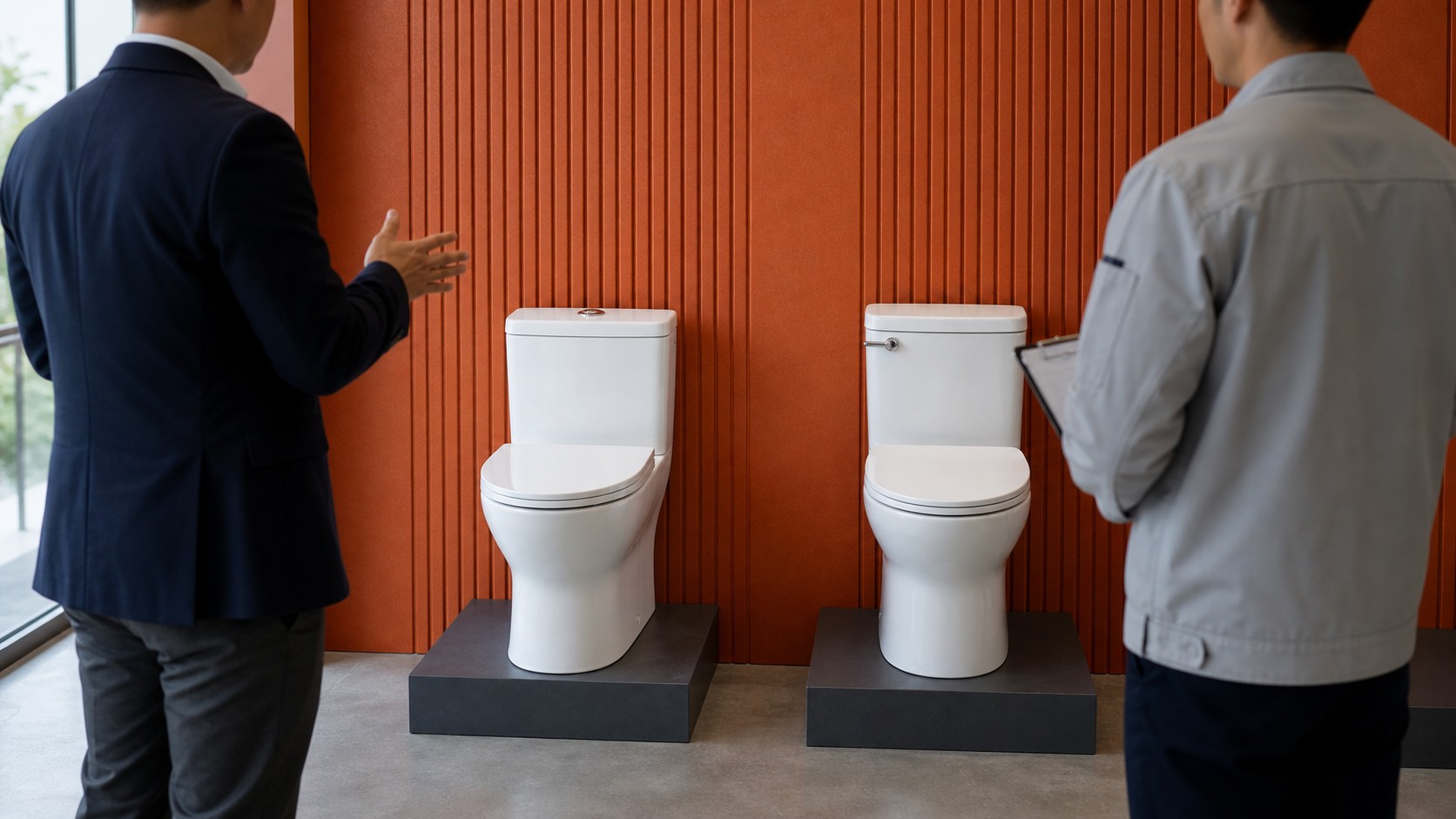
For a mixed product programme, keep the ceramic platform common only if both valve systems have been validated on it. Standardising the bowl can reduce mould and inventory complexity, while separate tank or actuator variants serve different markets. Use the ceramic toilet buying guide to align outlet, rough-in, seat, glaze, packing and certification with the flush system.
07 QUALITY CONTROL
What should be tested before shipment?
Begin with signed golden samples for every certified combination. During production, verify ceramic dimensions, tank-to-bowl fit, water line, valve installation, button clearance, flush volume and leakage. Run repeated operation on both modes for dual-flush products. Check bowl wash, extraction, refill, water-seal restoration, noise and any rocking or movement at the tank connection.
Inspection sampling should cover different production dates and cartons. After flushing, mark the cistern water level and observe whether it changes during a defined leak-check period. Confirm that inlet valves stop cleanly and that the overflow route remains available. Match valve and button markings to the approved bill of materials. Our sanitary ware pre-shipment inspection guide covers wider ceramic, accessory and packing checks.
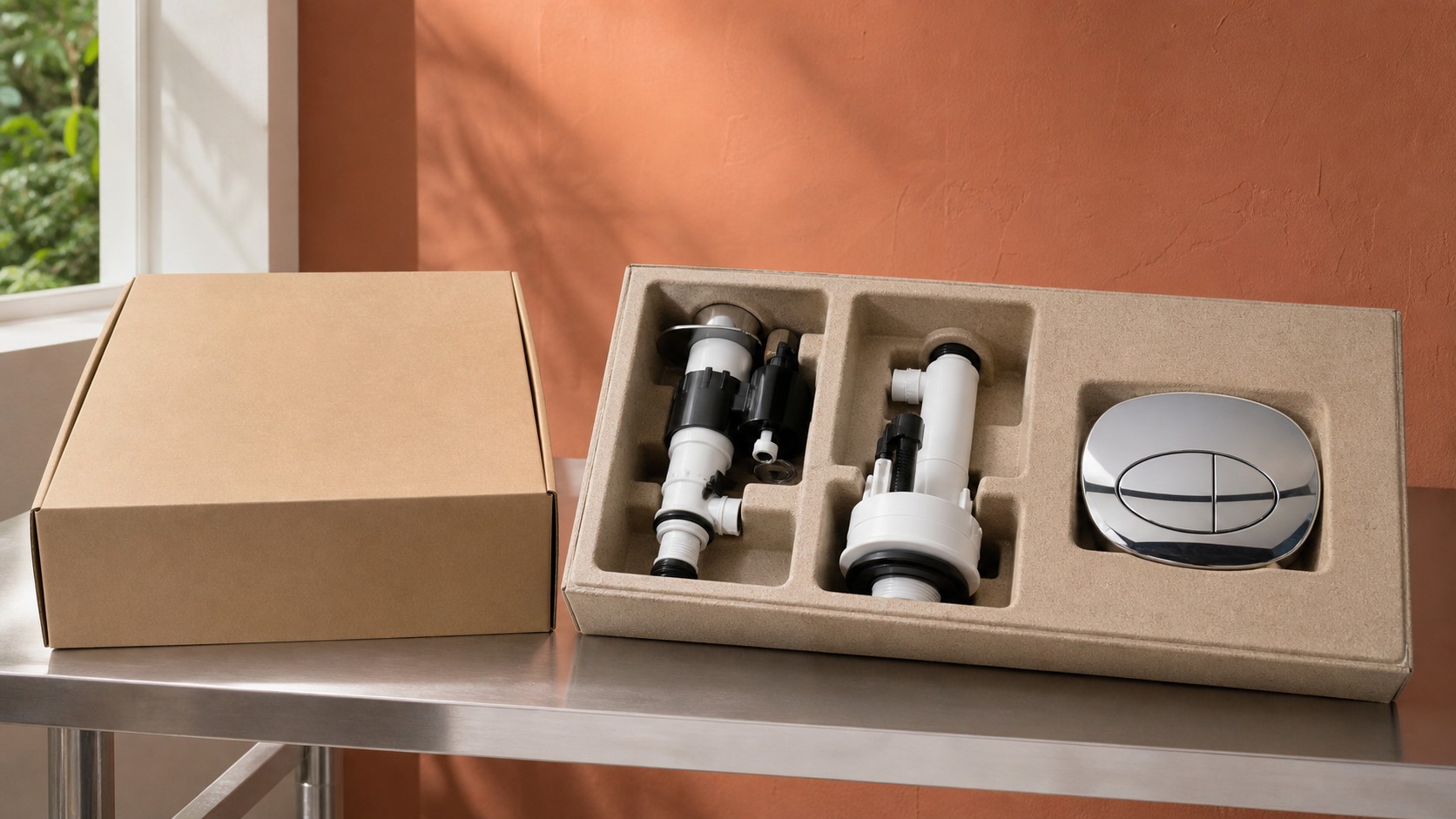
Packaging must keep loose fittings away from glazed surfaces. Protect buttons and protruding inlet connections, separate metal hardware, and include the correct installation sheet. A complete toilet can pass the factory test and still fail on site if the valve is damaged in transit or installers cannot identify the two settings.
08 ORDER CHECKLIST
Dual flush or single flush: how should a buyer decide?
Lock the complete flushing package
1. Destination country and project type. 2. Single or dual mode. 3. Rated volume for every mode. 4. Applicable standard and certificate. 5. Exact bowl, cistern and outlet combination. 6. Washdown or siphonic system. 7. Inlet and flush valve brands or approved codes. 8. Button, lever or concealed plate. 9. Water pressure and installation conditions. 10. Performance and leak-test criteria. 11. Spare-parts quantities and codes. 12. Packing, labels and installation documents.
Compare suppliers on the controlled package, not the lowest valve price. Ask which settings are fixed at the factory, which can be changed on site, and how changes affect certification. Keep photos and measurements of the approved internal assembly. For repeat orders, check component codes again before production begins.
Chengda supplies ceramic toilets for importers, distributors and hotel or apartment projects. Send the destination market, preferred flush volumes, outlet and rough-in, target price, certification needs and order quantity. We can match the ceramic, cistern, valves, seat, installation kit and export packing as one documented model.
The best flush system is the one that performs at its declared volume, stays serviceable and arrives with evidence for the market where it will be sold.
FAQ COMMON QUESTIONS
Frequently asked questions
Is dual flush better than single flush?
Not automatically. Dual flush offers two volumes and can save water when users select the reduced mode correctly. Single flush can be simpler to operate and service. Performance depends on the complete ceramic, cistern and valve combination.
Does a dual-flush toilet always save more water?
No. Actual use depends on the two rated volumes, user choice, leakage, valve adjustment and repeat flushing. Compare certified volumes and verify both modes on the exact model.
Which toilet is better for hotels?
Dual flush can support water-efficiency goals, while single flush can simplify guest operation and maintenance. The correct choice depends on local rules, guest familiarity, concealed-cistern access, spare-part supply and tested performance.
Can I install a dual-flush valve in any toilet cistern?
Do not assume so. Valve height, outlet size, overflow position, button actuation, cistern water line and bowl performance must match. Re-test the complete combination and confirm whether certification remains valid.
What is the current US WaterSense requirement for dual-flush tank toilets?
As of July 2026, EPA states that WaterSense Version 1.2 remains in effect and Version 2.0 has a paused effective date. Buyers should verify the current EPA page and exact certification route before ordering.
What spare parts should importers order?
Keep the approved inlet valve, flush valve, seals, button or lever, fixings and installation instructions under exact spare codes. Stock quantities should reflect project size, water conditions and local service capacity.