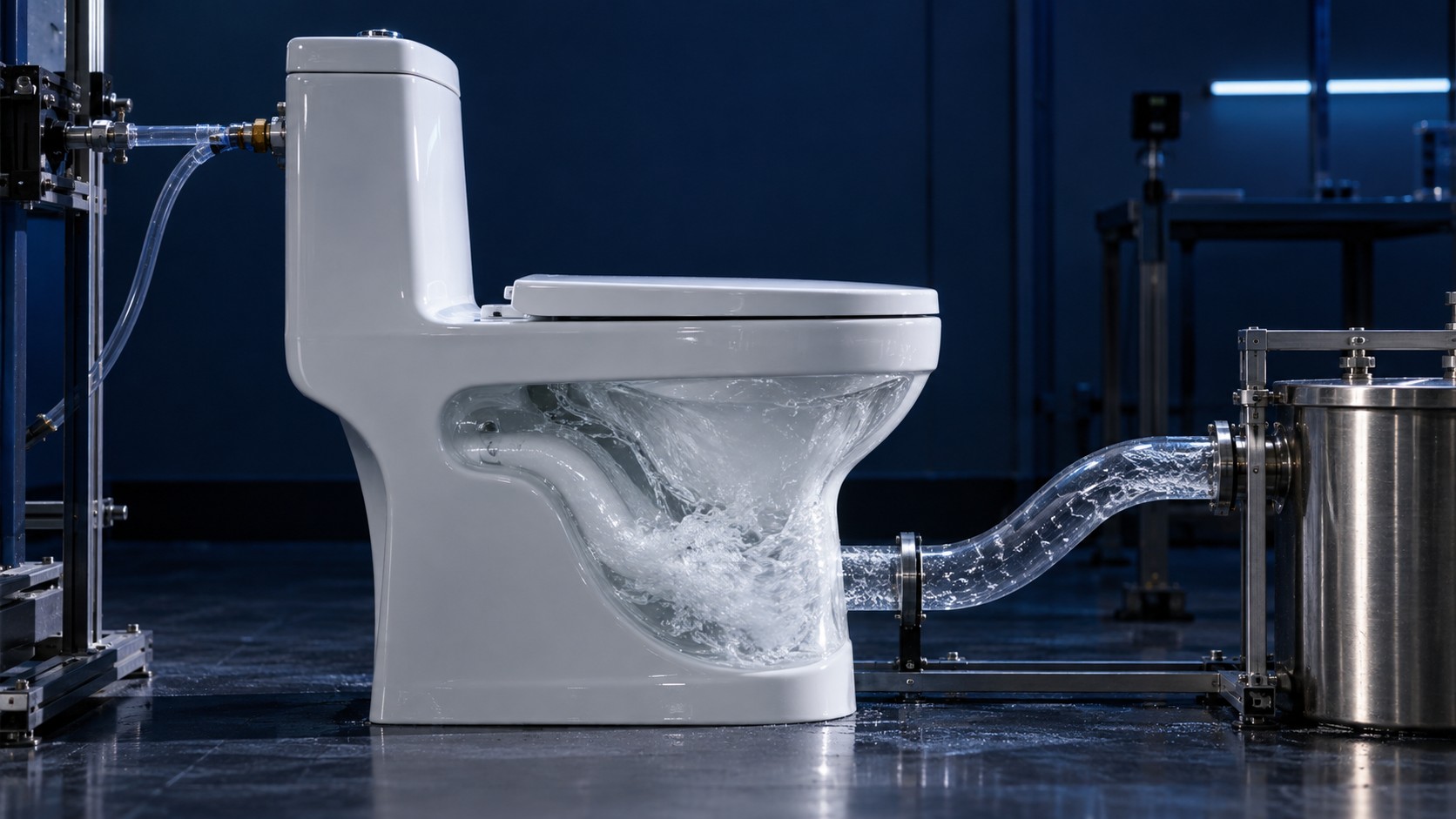
A toilet can look correct, flush once in a showroom and still be a risky bulk purchase. Toilet flush performance testing only becomes useful when the sample, setup, water condition, operating sequence and pass criteria are recorded. The goal is not a dramatic demonstration. It is a result that a buyer, factory and independent laboratory can repeat.
Certification testing and factory approval serve different purposes. A recognized laboratory determines compliance with the applicable market standard. A factory screening plan helps control the production-intent ceramic, cistern fittings and setup before mass production. Buyers should use both where required and never treat an informal test video as a certificate. For a purchasing-level comparison of the control formats, use the dual-flush vs single-flush toilet guide.
Key takeaways
- Control the setup: Level the fixture and record the exact water level, supply condition, outlet connection and tank components.
- Repeat every result: One successful flush cannot show variation, refill stability or a marginal configuration.
- Freeze the tested system: The approved bowl, tank trim, seat, connectors and settings must match the production order.
Pre-production flush-test record
| Field | Record for every run |
|---|---|
| Identity | Sample ID, model, outlet, cistern and trim codes, mode |
| Controlled conditions | Level, waterline, supply, connection, instrument and method |
| Measured result | Flush volume, media/method, clearance, bowl wash and trap-seal record |
| Exception | Carryover, clog, leak, double activation, refill or other abnormality |
| Closure | Correction, retest result, approver and configuration revision |
Fill one row set per run. Keep failed readings and identify any adjustment before retesting.
01 TEST BRIEF
What should a toilet flush test prove?
Start with a written claim. The test may need to confirm rated flush volume, removal of agreed media, bowl cleansing, refill, trap-seal restoration, leak tightness or operation at specified supply conditions. Each claim needs its own method and acceptance rule. Combining them into a single statement such as “flushes well” makes a failure impossible to diagnose.
Name the destination market and applicable standard in the test brief. ASME A112.19.2/CSA B45.1 covers material, construction, performance, testing and marking for ceramic plumbing fixtures within its scope. EPA WaterSense adds water-efficiency and performance criteria for qualifying tank-type toilets. Use the current official documents and accredited test scope for compliance decisions.
02 CONTROL CONDITIONS
How should the toilet test rig be prepared?
Install the exact production-intent bowl, tank, fill valve, flush valve, button or lever, seat where relevant, outlet connector and seals. Level the pan and tank. Record supply pressure, inlet temperature where required, tank waterline, refill setting, outlet arrangement and any adapter. Photograph the configuration before the first run.
Condition the unit with preliminary flushes, then recheck the waterline. If a technician adjusts a valve between runs, record the change and restart the comparison. A sample tuned beyond the adjustment permitted to customers does not represent the shipped product. Keep test tools calibrated and identify them in the report.
03 WATER USE
How is toilet flush volume checked without guessing?
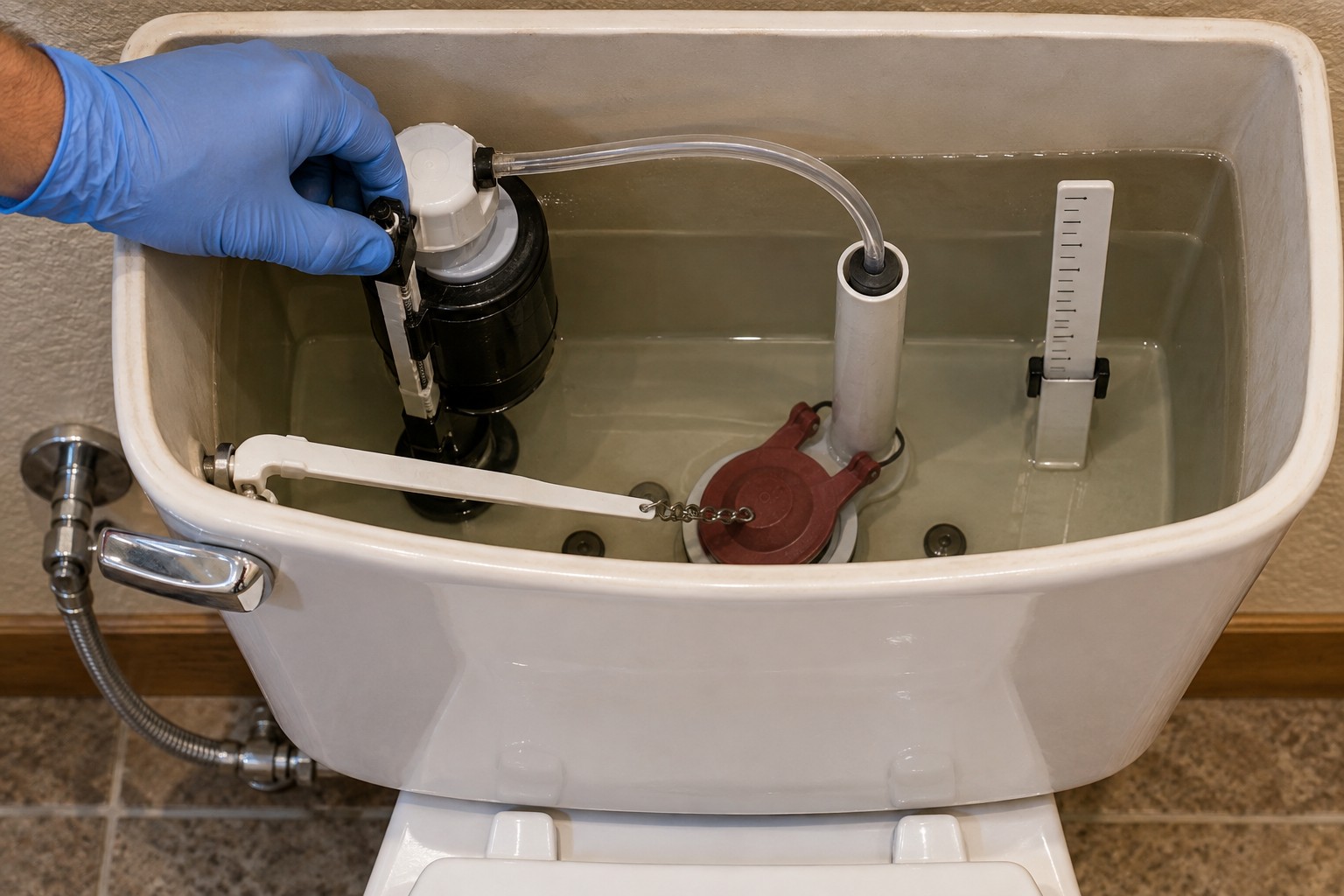
Collect or measure discharge using a method with known resolution, then repeat the cycle and calculate the average required by the chosen protocol. The EPA WaterSense Version 1.2 protocol, which EPA states remains in effect while Version 2.0 is paused, describes three flush-volume replicates and a controlled setup. That is a reference method, not permission to relabel an internal test as WaterSense certification.
For dual-flush products, record full and reduced modes separately. Check actuation, refill and tank waterline after each cycle. If volume drifts, investigate valve setting, residual movement, supply condition and button travel before changing ceramic. Report every run, including failures; an average without the underlying readings can hide instability.
04 REMOVAL PERFORMANCE
How should waste-removal performance be repeated?
Use the test media, loading sequence and number of attempts specified by the selected protocol. EPA's published Version 1.2 performance method uses 350 grams of defined soybean-paste specimens plus paper and requires complete clearance in at least four of five attempts. A buyer may also use a separate factory screening method, but its media and pass rule must be written and must not be confused with the official protocol.
Record complete clearance, partial carryover, clogging, double activation and abnormal refill. Keep camera position and bowl condition consistent. Do not select only the best take for a sales video. A failure pattern across repeated runs is more useful than one spectacular pass because it directs attention to the trapway, water delivery, valve timing or setup.
05 AFTER THE FLUSH
What should be checked after the bowl clears?
A successful discharge is incomplete if the fixture fails to restore the required trap seal, continues to leak, refills unpredictably or leaves unacceptable bowl residue. Measure or verify the post-flush water condition using the applicable standard and product specification. Listen for valve chatter and inspect connections while the system is under normal operating conditions.
Separate ceramic observations from fitting observations. A weak jet path, blocked rim passage or trapway issue points to the fixture, while unstable volume or refill often involves tank trim or adjustment. The final product is still a system, so the buyer should reject the combined result until the root cause is corrected and the full sequence passes again.
06 VARIATION
Is one approved toilet sample enough for production?
One development sample proves only that one assembled unit can pass under one controlled condition. Before release, repeat key checks on more than one production-intent unit and define an ongoing lot-sampling plan based on project risk, factory history and contractual requirements. The sample size should be agreed, not invented after a problem appears.
Use serial or batch identification so a result can be traced to ceramic firing, glaze batch and fitting lot. If a component supplier, trapway geometry, mould, firing curve or valve setting changes, decide which tests must be repeated. Change control is what keeps a good prototype from drifting into an inconsistent shipment.
07 BUYER APPROVAL
What belongs in the golden-sample approval pack?
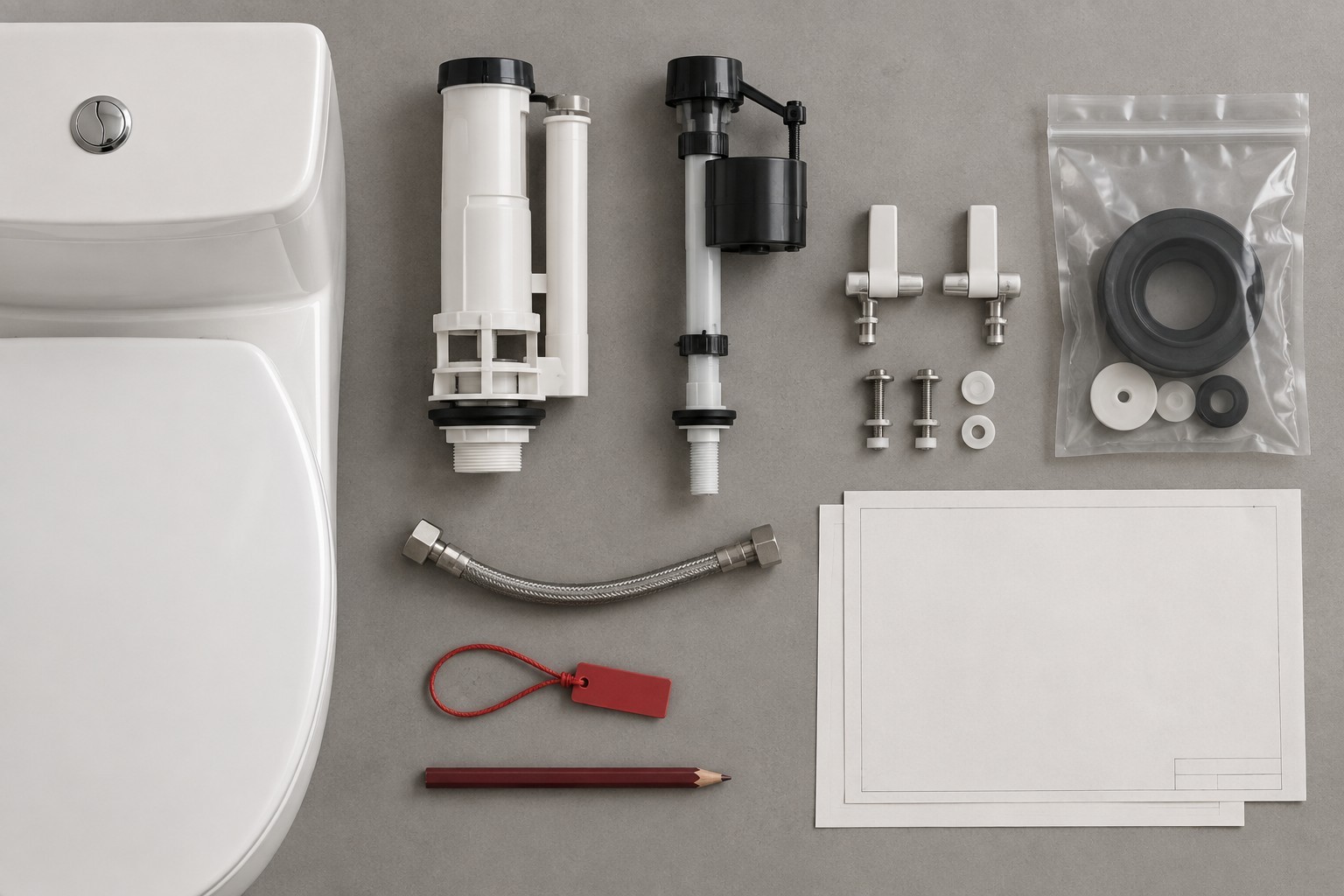
Keep the signed sample ID, revision-controlled drawing, bill of materials, valve and connector codes, permitted settings, photographs, raw readings, pass criteria and unresolved deviations. Add the destination standard and laboratory report number when certification applies. The carton mark and purchase order should identify the approved configuration clearly.
A short video can support the record, but the test sheet must explain what happened before, during and after each run. Seal or label the golden sample and store it where production and final inspection can compare against it. If the sample is dismantled, document custody and replacement parts.
08 ORDER CONTROL
Which flush-test requirements should go on the purchase order?
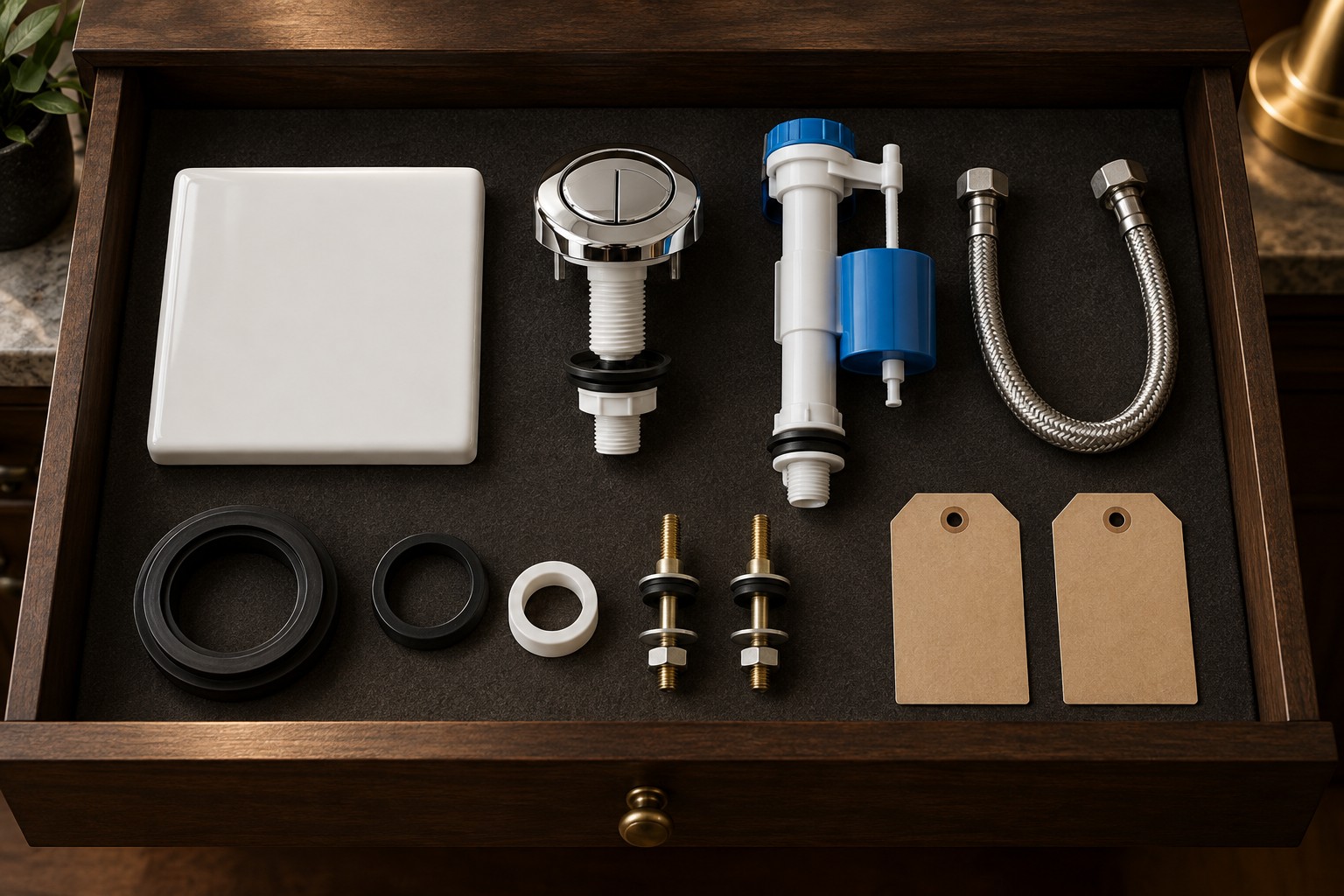
State the model, flush type, rated volume, applicable standard, approved tank fittings, outlet configuration, sample reference, inspection stage and consequence of failure. Define who witnesses the test, who pays for retesting and whether a component change requires buyer approval. Avoid unqualified promises such as “zero clog” or “works at any pressure.”
For project or wholesale supply, send Chengda the target market, plumbing interface, expected operating conditions and required evidence. The factory can prepare product information and a test plan for review; formal compliance claims remain tied to the exact tested configuration and the competent certification body.
FAQ COMMON QUESTIONS
Frequently asked questions
Can a factory flush video replace certification?
No. A video can document a factory check, while certification requires the applicable standard, controlled laboratory method and recognized conformity process.
How many flushes are enough?
Use the number required by the selected protocol and add production sampling appropriate to the project risk. One successful flush is not a meaningful approval.
Should dual-flush modes be tested separately?
Yes. Record full and reduced modes separately for volume and the performance requirements that apply to each mode.
What is a toilet golden sample?
It is an identified, approved production-intent assembly retained with drawings, components, settings and test evidence for later comparison.